
We offer two fertilizer programs, and customers regularly ask which one they should pick. They expect us to push one. We would rather tell them exactly what each one does and does not do, because the right choice depends on what you want from your lawn and how patient you are willing to be.
How traditional fertilizer works
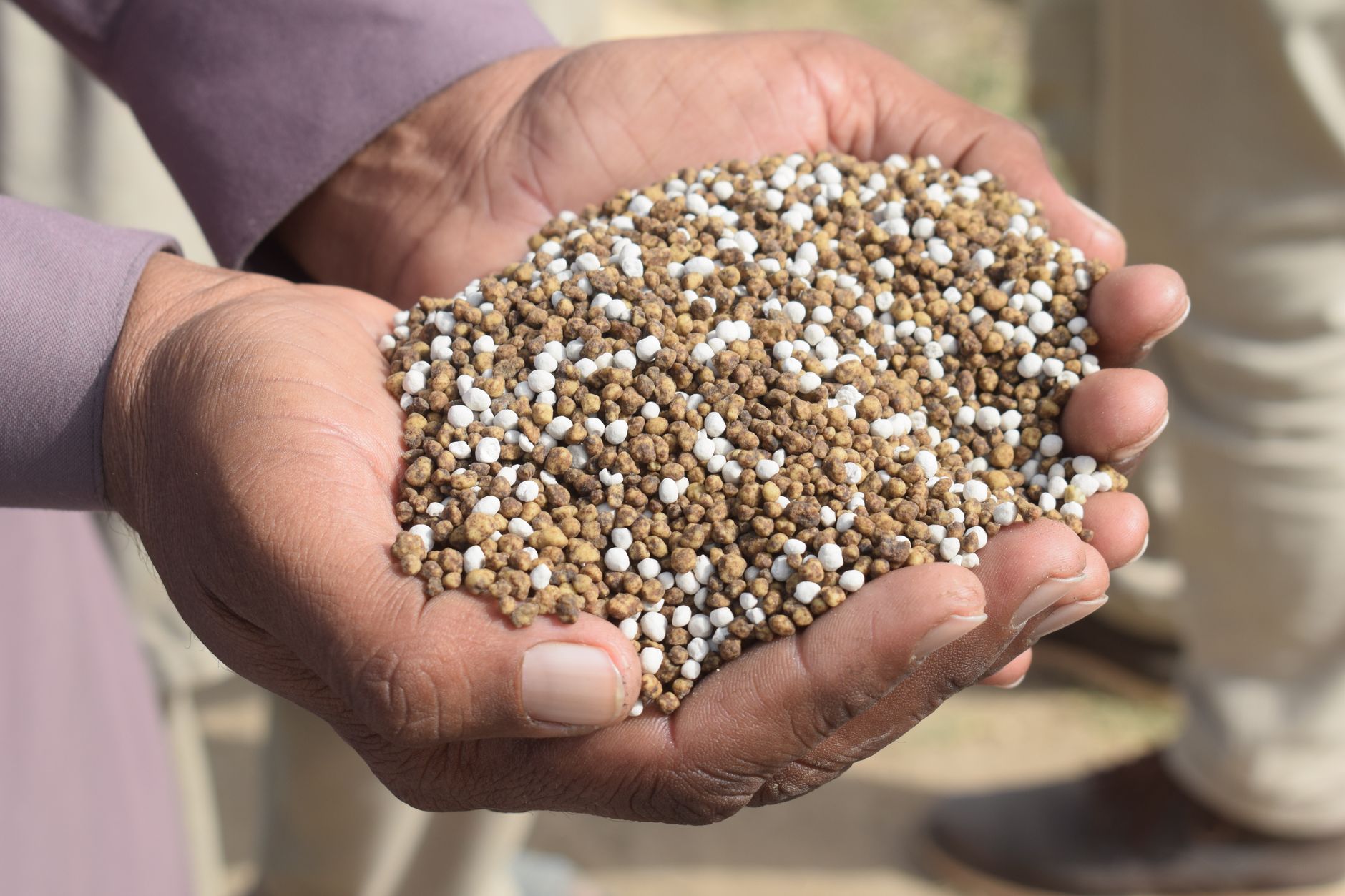
A traditional program feeds the grass plant directly. Nitrogen in a form the grass can use goes down on a schedule, the grass takes it up, and the lawn greens up within a week or two. Slow-release granular products stretch that feeding out over weeks so the lawn does not surge and then crash.
Our standard fertilization and weed control program runs seven steps timed to the Minnesota season. Alongside the fertilizer it includes broadleaf weed control, two rounds of crabgrass preventer, two rounds of crabgrass control, and control of undesirable grasses, with a liquid fertilizer in the last fall round. If weeds come back between visits, we come back and treat them at no charge.
The advantage is predictability. You get a green, dense lawn on a reliable schedule, and the weeds get handled.
How organic fertilizer works
An organic program feeds the soil, and the soil feeds the grass. The products are made from natural materials, and the nutrients in them are not immediately available to the plant. Soil microbes have to break them down first, and they release nitrogen as they do.
That has two big consequences.
First, results come slower. Microbes slow way down in cold soil, so an organic application in a chilly Minnesota April releases very little until the soil warms up. Expect a slower green up in spring than your neighbors on a traditional program, and results that build over a season or two rather than in a week.
Second, the soil itself improves. Organic matter and biological activity are exactly what west metro clay lacks, particularly on new construction lots where topsoil was stripped and compacted during building. We wrote about that in more detail in poor soil quality on new construction homes. Better soil structure means better water movement, deeper roots, and a lawn that handles drought and heat better over time.
Our organic fertilizer program is six identical, 100 percent organic granular applications from early spring through fall. The product includes bio-stimulants and humic and fulvic acids along with the organic fertilizer.
The tradeoff people miss: weed control
Here is the part we always make sure customers hear. The organic program does not include weed control, and it does not include the premium slow-release fertilizer from our standard program.
A thick, healthy lawn does resist weeds better on its own, and organic programs help build that kind of lawn over time. But dandelions, clover, creeping charlie and crabgrass are not going to disappear because the soil got healthier. If your lawn has heavy weed pressure today, an organic program alone will not fix it, and you should go in knowing that.
Who each program fits
Traditional tends to fit if:
- You want weeds handled and a reliably green lawn this season
- The lawn has a lot of weeds or crabgrass right now
- You are getting a home ready to sell, or you simply want the predictable result
Organic tends to fit if:
- Avoiding synthetic products matters more to you than a weed free lawn
- You are willing to accept slower results and some weeds in exchange for building the soil
- The lawn is already in decent shape and you want to keep it there with a soil first approach
For soil that needs help, there is also a middle path. Our organic soil improvement treatment is a single application of the same kind of organic product, aimed at soil structure, water retention and microbial activity. It is a way to work on the soil without switching programs entirely.
What does not change
Whichever program you choose, the basics of lawn care still decide most of the result. Mow at 3 to 3.5 inches and never take off more than a third of the blade. Water deeply and less often rather than a little every day. Aerate compacted clay. Fertilizer of either kind cannot make up for a lawn that is scalped every week or watered every evening.
If you are trying to decide, we are happy to look at your lawn and talk it through. Quotes come from satellite imagery of your property, so you can get a real answer without scheduling a visit.
Frequently asked questions
Is organic lawn fertilizer as good as regular fertilizer?
It does a different job. Traditional fertilizer feeds the grass directly and greens it up within a week or two. Organic fertilizer feeds soil microbes, which release nutrients more slowly but improve soil structure over time. Organic results build over a season or two rather than right away.
Does an organic lawn program control weeds?
Not directly. Organic fertilizer programs, including ours, do not include weed control. A thicker lawn resists weeds better over time, but existing dandelions, clover and crabgrass will not go away from fertilizer alone.
Why is my organic lawn slow to green up in spring?
Organic fertilizer depends on soil microbes to release its nutrients, and microbes are slow in cold soil. In Minnesota, soil often stays cool well into April and May, so organic lawns usually green up later than lawns on a traditional program.
Is organic fertilizer better for clay soil?
It helps. West metro clay, especially on new construction lots, is often compacted and low in organic matter. Organic products add the material and biological activity that clay lacks, which improves drainage and root depth over time. Pairing it with core aeration helps clay the most.
How many applications are in your organic lawn program?
Six. Our organic program in Maple Grove, Plymouth and across the west metro is six identical 100 percent organic granular applications from early spring through fall.