

Nobody has a weed problem in May. Beds get cleaned up, mulch goes down, everything looks sharp, and the whole thing holds for about six weeks.
Then July arrives and the beds look like nobody touched them. The usual conclusion is that the spring cleanup did not take. That is not what happened. What happened is that the cleanup removed the weeds that were visible and did nothing about the ones that had not come up yet.
That gap is the entire problem, and it is why weeding beds by hand feels like a job that never ends.
Pulling weeds treats the symptom
A landscape bed is a seed bank. Every weed that ever went to seed in it, plus whatever blew in off the neighbouring yard or came in with a load of soil, is sitting in the top inch or two of that bed waiting for the right soil temperature.
Hand pulling in May removes the plants that germinated first. It does nothing to the seeds still waiting, and it disturbs the surface in a way that brings more of them into position to sprout. Six weeks later a second wave comes up, and you are back where you started, having done real work for a result that lasted a month and a half.
That is the difference between reacting and preventing, and it is the whole logic behind how bed weed control is actually done.
What a real program looks like
Our landscape bed weed control runs as four rounds across the season, and the order matters more than the number.
Round one is a pre-emergent applied in early spring. It creates a barrier in the top layer of soil that stops seeds from successfully establishing as they germinate. This is the round that does the heavy lifting, and it is also the one with the narrowest timing window, because it has to be down before soil temperatures wake the seed bank up.
Rounds two through four are post-emergent, targeted through the summer and into fall. These handle what the barrier missed: anything that germinated before round one went down, anything that blew in later, and perennials running in from the property line. Late season also brings its own flush of fall-germinating weeds, which is a wave most people never think about because they have stopped looking at their beds by October.
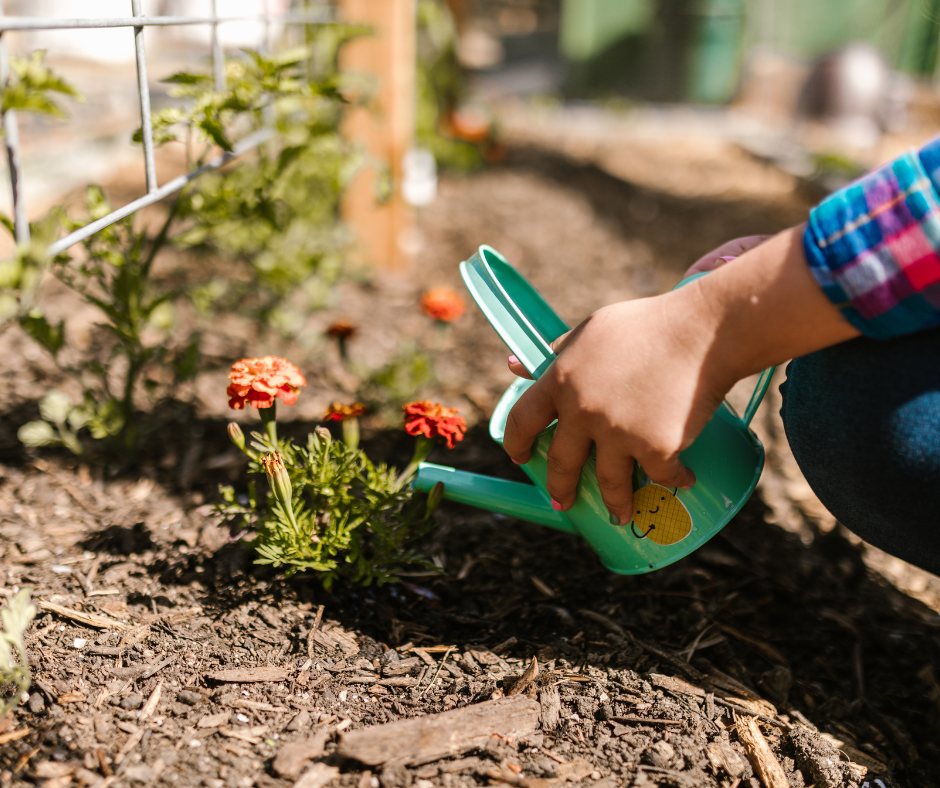
The products are selective and applied around your existing plantings rather than over them, so perennials, shrubs and ornamentals are not collateral damage.
Beds are where lawn weeds come from
This is the part that gets overlooked. Untended beds are not just an eyesore in their own right, they are a nursery.
A patch of weeds in a bed that goes to seed will distribute that seed across the turf next to it. Creeping charlie and quackgrass do it more directly, running through bed edges into the lawn on stems and rhizomes. If you are paying for lawn weed control while the beds along the house go untreated, you are treating one side of a border and feeding the other.
Weedy beds also hold moisture against foundations and give insects and disease somewhere to overwinter, which is a smaller problem than the seed issue but a real one.
Mulch and edging do half the work
Chemistry is only part of it. The physical setup of the bed decides how much pressure the program has to handle.
Mulch at a proper depth of two to three inches blocks light from reaching seeds that are already in the soil. Thinner than that and enough light gets through for germination. We covered the material choices and why depth matters in the benefits of mulch, and mulch installation includes the bed prep and weed pull that should happen before it goes down.
A clean cut edge does something similar at the border. Most of the grassy invasion into beds arrives by creeping across a soft, undefined edge. A crisp border is a physical interruption in that path.
Mulch, edging and bed weed control together is the combination most of our Maple Grove and Plymouth customers end up on, because each one covers a gap the other two leave.
Fall is the setup, not the finish
The instinct is to stop thinking about beds after Labor Day. That is backwards. Fall-germinating weeds are establishing right now, quietly, and they are the ones that greet you first thing in spring looking like they have been there all along.
Handling that flush in fall, and going into winter with beds clean and properly mulched, is what makes the following spring a light job instead of a rescue.
Frequently asked questions
Why do weeds keep coming back in my landscape beds after I pull them?
Because pulling only removes what has already germinated. The seed bank in the top inch of soil is untouched, and disturbing the surface while you pull brings more seed into position to sprout. Without a pre-emergent barrier, a new wave comes up roughly every six weeks through the season.
When should the first bed weed treatment go down?
Early spring, before soil temperatures rise enough to trigger germination. That is the pre-emergent round and it has the tightest window of the four. Miss it and the rest of the season becomes post-emergent cleanup instead of prevention.
Is bed weed control safe for my existing plants?
Yes. The products are selective and applied around established plantings rather than over the top of them, so perennials, shrubs and ornamentals are not affected.
Does mulch alone stop weeds?
It helps a lot and it is not sufficient on its own. Mulch at two to three inches blocks light from seeds already in the soil, but it does nothing about seed that lands on top of the mulch later or perennials running in from the edge. Mulch plus a pre-emergent is the combination that actually holds.
Do weeds in my beds affect my lawn?
Yes. Beds that go to seed distribute that seed into the adjacent turf, and spreaders like creeping charlie and quackgrass run through bed edges into the lawn directly. Treating the lawn while ignoring the beds means treating one side of a border and feeding the other.
What areas do you serve for bed weed control?
Maple Grove, Plymouth, Corcoran, Dayton, Rogers, Champlin, Medina, Hamel, Loretto, Greenfield, Maple Plain, Long Lake, Orono, Wayzata, Hanover, Rockford, St. Michael, Albertville and Otsego.