
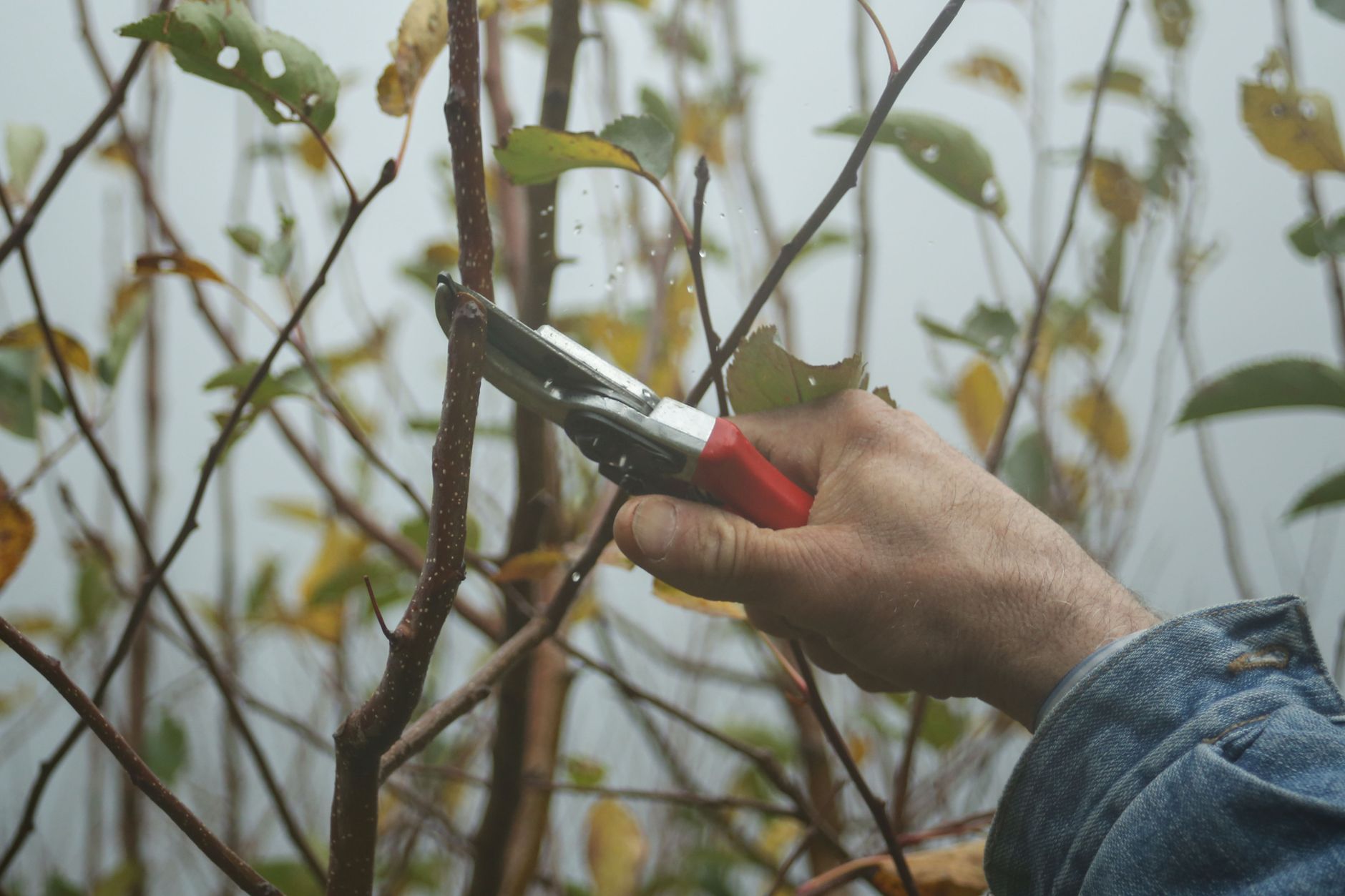
Every October the same question comes in from customers whose beds are going brown: should all of this come down now, or can it wait?
The honest answer is that it depends on the plant. Some perennials go into winter better cut back, and leaving them standing invites disease and pests into next season. Others do better left alone until spring, and cutting them in fall costs you winter interest, wildlife habitat, and sometimes the plant itself.
Here is how we sort it out in beds across Plymouth, Maple Grove, Medina and Wayzata.
Cut these back in fall
The common thread is foliage that turns to mush after a hard frost, or foliage that carries disease and pest eggs into next year.
- Hostas. After the first hard frost the leaves collapse into a slimy mat that shelters slugs. Cut them to the ground once they yellow.
- Peonies. Cut the stems to ground level. Peony foliage commonly carries botrytis blight and powdery mildew spores, and removing it breaks the cycle. Bag it rather than composting it.
- Bearded iris. Iris borer moths lay their eggs on old iris leaves in fall. Cut the fans down to a few inches and remove the foliage from the property.
- Daylilies. Not strictly necessary, but the leaves go limp and messy, and they are far easier to clean up in October than half rotted in April.
- Bee balm, garden phlox and anything else that had powdery mildew this summer. Cut it down and get the infected foliage out of the bed.
Leave these standing until spring
These either protect themselves with their own stems, feed birds, or are borderline hardy and resent fall pruning.
- Ornamental grasses like Karl Foerster feather reed grass and switchgrass. The clumps hold up through snow, look good all winter, and the crowns overwinter better with the foliage left on. Cut them back in early spring before new growth starts.
- Coneflowers and black-eyed Susans. The seed heads feed goldfinches and chickadees through the winter.
- Sedum Autumn Joy. Its flower heads hold snow nicely and protect the crown.
- Coral bells. The foliage is semi-evergreen and shields the crown. Clean up the damaged leaves in spring.
- Garden mums. Leave the stems standing. Mums cut back in fall are less likely to make it through a Minnesota winter.
- Russian sage, lavender and other perennials with woody bases. Cut them in spring, once you can see where the new growth is coming from.
Standing stems do one more job. Many native bees spend the winter inside hollow and pithy stems or in the leaf litter at the base of plants. If pollinators matter in your yard, a topic we covered in landscapes that welcome pollinators, leave some stems standing over winter and cut them back to about a foot tall in spring so they have somewhere to nest.
What about shrubs?
Shrubs are simpler: as a rule, do not prune them in fall.
Pruning cuts encourage new growth, and new growth late in the season does not harden off before the cold arrives. The result is dieback at the tips by spring. Spring flowering shrubs like lilac, forsythia and spring blooming spirea have also already set next year's flower buds, so a fall haircut cuts off next year's blooms. Removing dead or broken branches is fine any time. Shaping waits.
A few things shrubs do need before winter:
- Water. Evergreens especially should go into winter well watered, because they lose moisture all winter through their needles. If the fall is dry, water deeply until the ground freezes.
- Protection from rabbits. Rabbits strip bark from young fruit trees, serviceberry, roses and other shrubs once the snow gets deep. A loose cylinder of hardware cloth around the base, tall enough to stay above the snow line, is the reliable fix.
- Burlap screens for arborvitae and yews that face the road or the southwest wind. Winter sun and salt spray turn the exposed side brown. Screen them on the windward side rather than wrapping them tight.
Finish the bed for winter
Once the cutting is done, rake out the debris, pull any weeds that are still green, and check the mulch. A 2 to 3 inch layer insulates roots against freeze and thaw, but keep it a few inches back from crowns and trunks so it does not trap moisture against them. If the beds need it, fall is a fine time for a mulch installation, or it can wait for spring.
Perennial cutback is part of a full fall cleanup on our routes, and our shrub and perennial care service handles cutback, pruning and plant health checks in spring and fall.
Frequently asked questions
Should I cut back my perennials in the fall in Minnesota?
Cut back hostas, peonies, bearded iris and anything that had powdery mildew, because their foliage shelters pests and carries disease into next year. Leave ornamental grasses, coneflowers, sedum, mums and coral bells standing until spring, when they are cut back before new growth starts.
When should I cut back ornamental grasses?
In early spring, before new green shoots appear. In the west metro that is usually April. Leaving the foliage up all winter protects the crown and keeps the grass looking good above the snow.
Is it bad to prune shrubs in the fall?
Usually, yes. Pruning encourages new growth that does not harden off before winter, which leads to dieback, and spring blooming shrubs like lilac and forsythia have already set next year's buds. Removing dead or broken branches is fine at any time.
How do I keep rabbits from eating my shrubs in winter?
Put a loose cylinder of hardware cloth around the base of vulnerable shrubs and young trees, tall enough to stay above the expected snow depth. Rabbits stand on the snow to reach bark, so a guard that is tall enough in November can be too short by February.
When should I book a fall cleanup with perennial cutback in Plymouth or Maple Grove?
Fall cleanups run late October into November, once most perennials have yellowed but before the ground freezes. Booking in early October is the surest way to get a spot in that window.